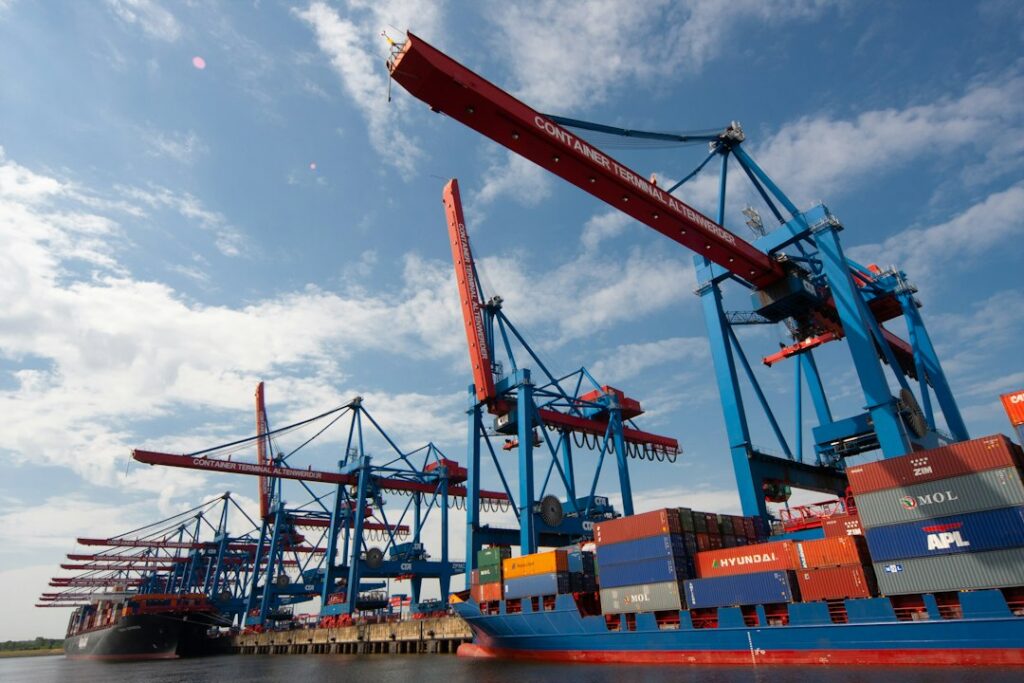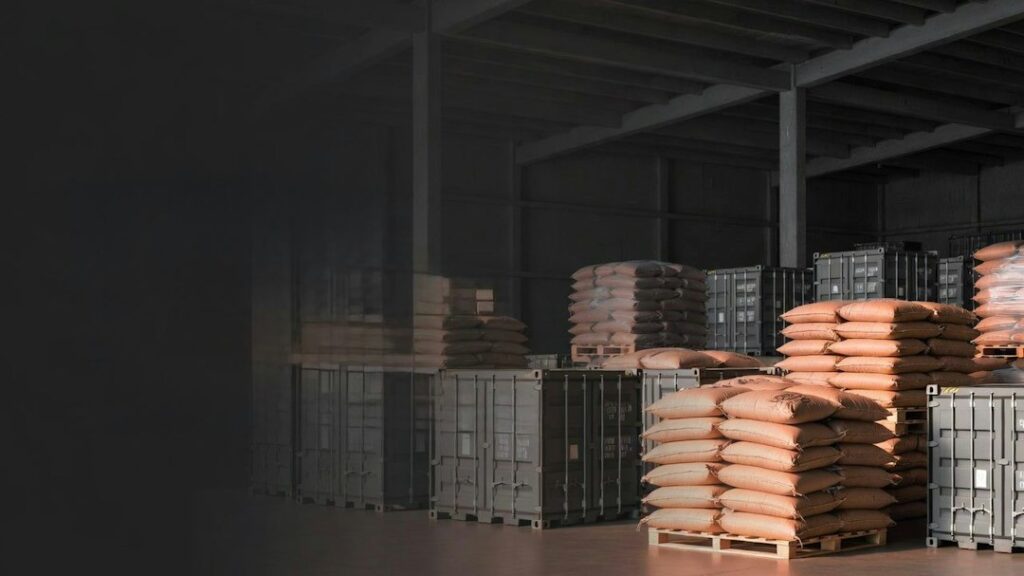

—
Introduction – Why Logistics Is the Lifeblood of Every Business
Imagine ordering a pair of sneakers online, watching the “out for delivery” notification, and receiving the package at your doorstep within 48 hours. Behind that smooth experience lies a complex web of transportation, warehousing, inventory control, and data‑driven decision‑making—collectively known as logistics.
In today’s hyper‑connected market, logistics isn’t just a back‑office function; it’s a strategic differentiator. Companies that master logistics can cut costs, accelerate time‑to‑market, and deliver the kind of customer experience that turns one‑time buyers into loyal fans. This post walks you through the essential pillars of modern logistics, offers actionable tactics you can implement right now, and highlights the tech trends reshaping the industry. Whether you’re a seasoned supply‑chain manager or a small‑business owner dipping your toes into e‑commerce, the insights below will help you build a resilient, efficient, and future‑ready logistics operation.
—
1. Building a Robust Transportation Management System (TMS)
A Transportation Management System (TMS) is the command center for moving goods—from raw materials to finished products—across the globe. When deployed correctly, a TMS reduces freight costs, improves carrier performance, and provides real‑time visibility.
Actionable Steps
1. Map Your Current Network – List every origin, destination, mode (truck, rail, ocean, air), and carrier you currently use. Visualizing the network helps you spot redundancies and high‑cost lanes.
2. Define Clear KPIs – Common transportation KPIs include cost per mile, on‑time delivery (OTD) rate, and average dwell time at docks. Set baseline numbers and track improvements monthly.
3. Leverage Automated Rate Shopping – Modern TMS platforms integrate with carrier APIs to pull real‑time rates. Use this feature to automatically select the cheapest, fastest carrier for each shipment.
4. Implement Load Consolidation Rules – Set thresholds (e.g., minimum weight or volume) that trigger consolidation. Fewer trips mean lower fuel consumption and reduced carbon footprint.
5. Enable Exception Management – Configure alerts for delays, missed pickups, or capacity constraints. Promptly addressing exceptions prevents small hiccups from becoming costly disruptions.
Quick Wins
- Switch to a cloud‑based TMS if you’re still on legacy software; cloud solutions often come with built‑in analytics and lower IT overhead.
- Negotiate blanket contracts with preferred carriers based on volume forecasts generated by your TMS—this can lock in better rates and service terms.
- Re‑evaluate your safety stock levels using demand forecasting tools; excess safety stock ties up capital while too little risks stockouts.
- Cross‑dock whenever possible—directly transfer inbound goods to outbound trucks without storage. This shortens lead times and reduces handling costs.
- Implement a delivery‑optimization algorithm (many TMS platforms include this) that batches orders by geographic proximity, reducing mileage.
- Introduce a “click‑and‑collect” option for local customers; they pick up orders in store, eliminating the last‑mile cost altogether.
- Start with a pilot project—e.g., apply AI forecasting to a single product line and measure forecast accuracy improvement.
- Leverage free analytics tools like Google Data Studio to visualize logistics KPIs without heavy IT investment.
- Consolidate shipments to increase load factor, reducing the number of trips and associated emissions.
- Offer customers a “green shipping” option (e.g., slower delivery for lower carbon impact) and market it as an eco‑friendly choice.
—
2. Optimizing Warehouse Operations and Inventory Management
Your warehouse is the physical heart of logistics. Efficient storage, accurate inventory, and swift order fulfillment directly impact order accuracy, customer satisfaction, and operational costs.
Actionable Steps
1. Adopt Slotting Optimization – Analyze product velocity (fast, medium, slow movers) and assign storage locations accordingly. Place high‑velocity SKUs near packing stations to cut pick travel time.
2. Implement Cycle Counting – Instead of a full physical inventory once a year, schedule regular cycle counts for high‑value or fast‑moving items. This reduces shrinkage and improves data reliability.
3. Use Warehouse Management System (WMS) Integration – A WMS that talks to your TMS and ERP ensures that inbound, outbound, and inventory data stay synchronized in real time.
4. Introduce Pick‑to‑Light or Voice Picking – These technologies guide pickers to the right location, reducing errors and boosting productivity by up to 30 %.
5. Apply Lean Layout Principles – Streamline aisles, eliminate bottlenecks, and create dedicated staging zones for outbound shipments to keep flow continuous.
Quick Wins
—
3. Mastering Last‑Mile Delivery in the Age of E‑Commerce
The last mile—the final leg from a distribution center to the consumer’s doorstep—accounts for up to 53 % of total shipping costs. Yet it’s also the most visible part of logistics to the end customer.
Actionable Steps
1. Segment Your Customer Base – Different customers have different delivery expectations (same‑day, next‑day, standard). Segmenting allows you to allocate the most cost‑effective delivery method for each group.
2. Partner with Multiple Carriers – Relying on a single carrier can limit flexibility. Blend traditional carriers (UPS, FedEx) with gig‑economy services (DoorDash, Uber Freight) for peak periods.
3. Offer Delivery Window Choices – Allowing customers to select a 2‑hour window can improve route planning and increase first‑attempt delivery success rates.
4. Utilize Real‑Time Tracking APIs – Embed tracking links in order confirmation emails. Transparency reduces “where is my package?” inquiries and boosts brand trust.
5. Explore Micro‑Fulfillment Centers – Small, urban warehouses positioned close to dense populations can dramatically cut delivery distances, enabling same‑day or even 2‑hour deliveries.
Quick Wins
—
4. Harnessing Logistics Technology and Data Analytics
Technology is the catalyst that transforms traditional logistics into a predictive, adaptive system. From IoT sensors that monitor temperature to AI‑driven demand forecasting, data is the new competitive edge.
Actionable Steps
1. Deploy IoT Sensors on Critical Assets – Track temperature, humidity, and shock for sensitive goods (pharma, perishables). Real‑time alerts prevent spoilage and compliance breaches.
2. Integrate AI Forecasting Models – Use machine‑learning tools to predict demand spikes, seasonal trends, and potential supply disruptions. Align inventory and transportation plans accordingly.
3. Create a Centralized Data Lake – Consolidate data from TMS, WMS, ERP, and external sources (weather, port congestion) into a single repository for holistic analysis.
4. Utilize Dashboards with Predictive Alerts – Set up visual dashboards that flag KPI deviations before they become problems (e.g., rising freight rates, carrier capacity crunches).
5. Invest in Blockchain for Traceability – For high‑value or regulated goods, blockchain provides immutable proof of provenance, enhancing trust with partners and customers.
Quick Wins
—
5. Sustainable Logistics – Turning Green Initiatives into Business Value
Sustainability is no longer a buzzword; it’s a requirement from regulators, investors, and increasingly, consumers. Green logistics can also reduce costs and improve brand perception.
Actionable Steps
1. Calculate Your Carbon Footprint – Use a logistics carbon calculator to quantify emissions from transportation, warehousing, and packaging. Establish a baseline.
2. Shift to Low‑Emission Transport Modes – Where feasible, replace long‑haul truck trips with rail or intermodal options. Rail emits up to 75 % less CO₂ per ton‑mile.
3. Adopt Eco‑Friendly Packaging – Use recyclable, right‑size packaging to minimize waste and reduce dimensional weight charges.
4. Implement Energy‑Efficient Warehouse Practices – Install LED lighting, motion sensors, and solar panels. Energy savings directly improve operating margins.
5. Set Clear Sustainability KPIs – Examples include emissions per shipment, percentage of renewable energy used, and waste diversion rate.
Quick Wins
—
Conclusion – Key Takeaways for a Future‑Ready Logistics Operation
1. Integrate a modern TMS to gain visibility, automate carrier selection, and manage exceptions in real time.
2. Optimize warehouse layout and inventory practices using slotting, cycle counting, and WMS integration to boost accuracy and reduce handling costs.
3. Tackle the last mile strategically with customer segmentation, multi‑carrier partnerships, and micro‑fulfillment centers to keep delivery fast and affordable.
4. Leverage technology—IoT, AI, blockchain—to turn data into actionable insight, enabling proactive decision‑making across the supply chain.
5. Embed sustainability into every logistics decision, turning environmental responsibility into a cost‑saving and brand‑building advantage.
By focusing on these five pillars, you’ll transform logistics from a cost center into a strategic engine that drives growth, enhances customer loyalty, and positions your business for long‑term success in an increasingly complex global marketplace. Start implementing one or two of the quick‑win actions today, measure the impact, and scale the improvements across your entire supply chain. The future of logistics is intelligent, agile, and sustainable—make sure your organization is ready to lead the way.