
—
Introduction – Why Logistics Is the Heartbeat of Every Business
Imagine ordering a pair of shoes online, watching the delivery tracker light up, and receiving the package on time—no hiccups, no surprises. That seamless experience is the result of a well‑orchestrated logistics network working behind the scenes. In today’s hyper‑connected world, logistics isn’t just about moving boxes from point A to point B; it’s the strategic engine that drives supply chain resilience, customer satisfaction, and profitability. Whether you run a multinational manufacturer or a boutique e‑commerce store, mastering logistics can be the difference between thriving and merely surviving.
In this post, we’ll unpack the essential building blocks of modern logistics, explore actionable tactics you can implement today, and reveal how technology and sustainability are reshaping the industry. Let’s dive in and turn your logistics challenges into competitive advantages.
—
1. Mapping the Modern Logistics Landscape
1.1 What “Logistics” Really Means
At its core, logistics is the planning, execution, and control of the movement and storage of goods, services, and information from origin to consumption. While it overlaps with supply chain management, logistics focuses specifically on the flow of physical products and the supporting processes—transportation, warehousing, inventory control, and order fulfillment.
1.2 The Rise of Integrated Supply Chains
Traditional, siloed logistics operations are being replaced by integrated supply chains where data flows freely between suppliers, carriers, warehouses, and customers. This integration reduces lead times, cuts costs, and improves visibility—critical factors in today’s demand‑driven markets.
1.3 Actionable Insight: Conduct a Logistics Gap Analysis
1. Map every touchpoint – List all stages from raw material receipt to final delivery.
2. Identify bottlenecks – Look for delays, high error rates, or excessive handling.
3. Quantify impact – Assign cost or time metrics to each bottleneck (e.g., $X per delayed shipment).
4. Prioritize fixes – Target the top three issues that deliver the highest ROI when resolved.
By systematically diagnosing gaps, you create a clear roadmap for improvement before investing in new technology or expanding capacity.
—
2. Core Pillars of Efficient Logistics
2.1 Transportation: The Backbone of Movement
- Mode selection – Choose between road, rail, air, sea, or intermodal based on cost, speed, and product characteristics.
- Carrier partnership – Negotiate service level agreements (SLAs) that define on‑time performance, damage rates, and communication protocols.
- Route optimization – Use GPS‑enabled software to minimize mileage, fuel consumption, and driver fatigue.
- Strategic location – Place warehouses near major demand hubs to reduce last‑mile distance.
- Layout design – Adopt a cross‑dock or pick‑to‑light system to speed up order processing.
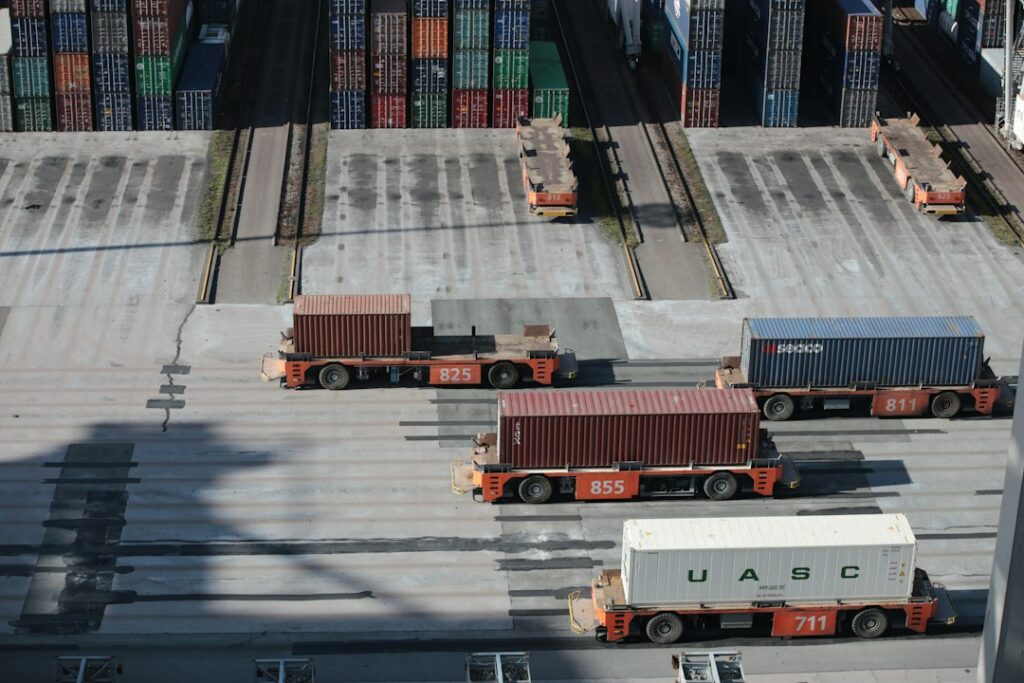
- Automation – Deploy conveyor belts, robotic pickers, or automated guided vehicles (AGVs) for high‑volume SKUs.
- Demand forecasting – Combine historical sales data with market trends and seasonality.
- Safety stock calculation – Use statistical models (e.g., service level = 95 %) to determine buffer inventory.
- Replenishment strategies – Apply just‑in‑time (JIT) for low‑holding‑cost items, and periodic review for high‑value or volatile products.
- TMS (Transportation Management System) handles carrier selection, rate shopping, and freight audit.
- WMS (Warehouse Management System) optimizes storage, picking, and labor allocation.
- ERP (Enterprise Resource Planning) unifies finance, procurement, and order management.
- Smart sensors monitor temperature, humidity, and shock—essential for cold‑chain logistics (pharmaceuticals, fresh produce).
- Geofencing alerts you when a shipment enters or exits a predefined zone, enabling proactive exception handling.
- Predictive demand models forecast future sales with higher accuracy than traditional linear methods.
- Dynamic routing algorithms adjust routes in real time based on traffic, weather, and delivery windows.
- Risk analytics identify potential supply chain disruptions before they occur.
- Route consolidation – Combine multiple deliveries into a single trip to cut mileage.
- Alternative fuels – Transition a portion of the fleet to electric or hydrogen‑powered vehicles.
- Packaging optimization – Use recyclable, right‑sized boxes to reduce waste and dimensional weight.
- Carbon offset programs – Invest in reforestation or renewable energy projects to neutralize unavoidable emissions.
Quick tip: Implement a Transportation Management System (TMS) to automate carrier selection, load planning, and real‑time tracking. Even a cloud‑based TMS can cut freight costs by 5‑10 % within the first year.
2.2 Warehousing & Distribution
Action step: Conduct a warehouse slotting analysis. Re‑arrange fast‑moving items near packing stations and assign slower items to deeper locations. This simple re‑org can boost picking efficiency by up to 20 %.
2.3 Inventory Management: Balancing Cost and Service
Pro tip: Implement a real‑time inventory visibility platform that syncs across all fulfillment centers. This reduces stock‑outs by providing accurate on‑hand data for both your team and customers.
—
3. Leveraging Technology: From TMS to AI‑Driven Insights
3.1 The Digital Backbone – TMS, WMS, and ERP Integration
When these systems communicate via APIs, you achieve end‑to‑end visibility—allowing you to react instantly to disruptions like weather delays or sudden demand spikes.
3.2 Internet of Things (IoT) and Real‑Time Tracking
Implementation tip: Start with a pilot on high‑value or temperature‑sensitive shipments. The data gathered will justify scaling IoT across the broader fleet.
3.3 AI & Machine Learning for Predictive Logistics
Actionable idea: Use an AI‑powered freight cost optimizer that recommends the most cost‑effective carrier mix for each lane, factoring in volume discounts and service reliability.
—
4. Optimizing Last‑Mile Delivery for E‑Commerce Success
4.1 Why Last‑Mile Matters
Last‑mile delivery accounts for 53 % of total shipping costs and heavily influences the Net Promoter Score (NPS). In e‑commerce, a delayed or failed delivery can instantly turn a loyal customer into a detractor.
4.2 Strategies to Cut Costs and Boost Speed
| Strategy | How It Works | Benefits |
|———-|————–|———-|
| Micro‑fulfillment centers | Small, automated warehouses located in urban areas. | Same‑day delivery, reduced distance to customers. |
| Crowdsourced delivery networks | Leverage gig‑workers (e.g., Uber Freight, DoorDash) for flexible capacity. | Scalable during peak seasons, lower fixed labor costs. |
| Parcel lockers & click‑&‑collect | Secure lockers in high‑traffic locations for self‑pickup. | Reduces failed delivery attempts, improves customer convenience. |
| Dynamic delivery windows | Offer customers real‑time slot selection based on driver availability. | Increases first‑attempt delivery success rate. |
4.3 Action Plan: Build a Last‑Mile Playbook
1. Segment customers by delivery expectations (same‑day, next‑day, standard).
2. Map urban demand density to identify optimal micro‑fulfillment locations.
3. Partner with local carriers who have proven on‑time performance.
4. Integrate delivery tracking into your e‑commerce platform, providing proactive notifications.
5. Measure key metrics – delivery cost per order, on‑time percentage, and customer satisfaction score – and iterate quarterly.
—
5. Sustainable Logistics – Turning Green Into Gold
5.1 The Business Case for Sustainability
Consumers are increasingly eco‑conscious; 73 % say they would switch brands for greener shipping options. Moreover, regulatory pressures (e.g., EU’s Green Deal) are pushing companies to reduce carbon footprints. Sustainable logistics can lower fuel expenses, improve brand perception, and mitigate compliance risk.
5.2 Practical Green Initiatives
5.3 KPI Dashboard for Green Logistics
| KPI | Target | Measurement Tool |
|—–|——–|——————-|
| CO₂ emissions per ton‑mile | ≤ 0.15 kg | Fleet telematics |
| Packaging waste reduction | 20 % YoY | Waste audit software |
| Fuel efficiency (MPG) | Increase 5 % annually | Fuel management system |
| Percentage of electric vehicles | 30 % of fleet by 2027 | Fleet inventory tracker |
Quick win: Replace idle diesel trucks with idle‑reduction devices (engine shut‑off systems). This simple change can cut fuel consumption by up to 8 % and instantly lower emissions.
—
Conclusion – Key Takeaways for Logistics Mastery
1. Map and diagnose your current logistics flow with a gap analysis to uncover high‑impact improvement areas.
2. Strengthen core pillars—transportation, warehousing, and inventory—through strategic location choices, layout optimization, and real‑time visibility.
3. Embrace technology—integrated TMS/WMS/ERP, IoT sensors, and AI analytics—to boost efficiency, predict disruptions, and make data‑driven decisions.
4. Prioritize last‑mile excellence by leveraging micro‑fulfillment, flexible delivery networks, and customer‑centric scheduling.
5. Adopt sustainable practices that not only meet regulatory expectations but also enhance brand loyalty and reduce operational costs.
By applying these actionable strategies, you’ll transform logistics from a cost center into a strategic advantage—delivering products faster, greener, and more profitably than ever before. Ready to revamp your logistics game? Start with a single step from the checklist above, track your progress, and watch your supply chain performance soar. Happy shipping!