—
Introduction – Why Logistics Is the Unsung Hero of Every Business
Imagine ordering a pair of sneakers online, watching the delivery tracker flash “Out for delivery,” and then finding the package waiting on your doorstep the next morning. That seamless experience didn’t happen by accident—it’s the result of a finely tuned logistics operation working behind the scenes.
In today’s hyper‑connected world, logistics isn’t just about moving boxes from point A to point B. It’s the backbone of supply chain management, the catalyst for e‑commerce growth, and a decisive factor in customer satisfaction. Whether you run a multinational manufacturing plant or a boutique online store, mastering logistics can shave days off lead times, cut costs, and give you a competitive edge.
In this post we’ll dive into the core components of modern logistics, explore the technologies reshaping the industry, and give you actionable steps you can implement right now. Ready to turn your logistics from a cost center into a strategic advantage? Let’s go!
—
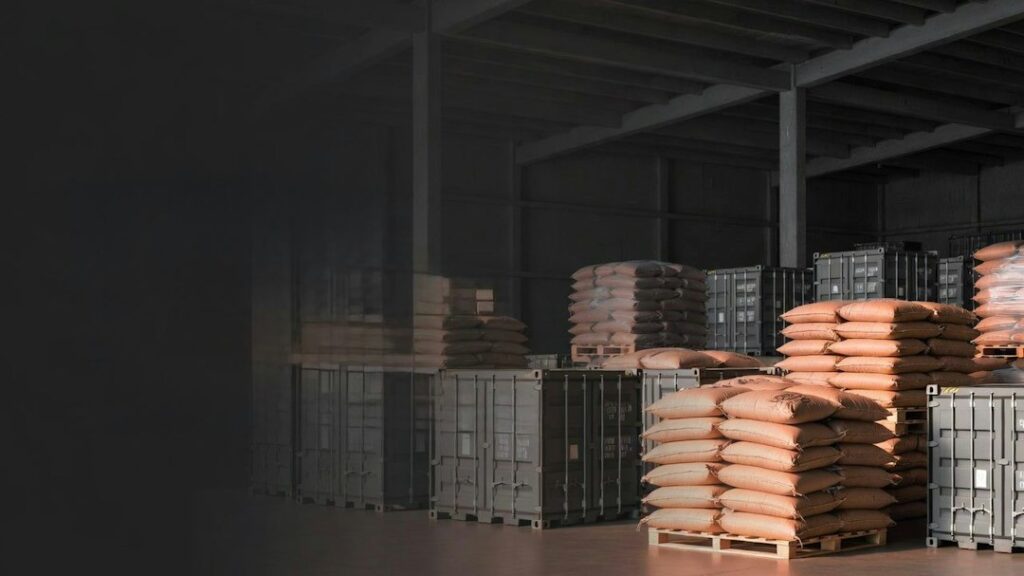
1. Building a Strong Foundation: Inventory Management & Warehousing
a. Optimize Your Inventory Levels
- Adopt the ABC analysis – Classify stock into A (high‑value, low‑quantity), B (moderate value/quantity), and C (low‑value, high‑quantity) groups. Focus tighter controls on A items while using simpler re‑order methods for C items.
- Implement safety stock formulas – Use the classic Safety Stock = Z × σ × √LT (where Z is the service level factor, σ is demand variability, and LT is lead time) to avoid stock‑outs without over‑stocking.
- Leverage demand forecasting tools – Cloud‑based platforms like NetSuite or SAP Integrated Business Planning use AI to predict seasonal spikes, helping you align purchase orders with actual demand.
- Real‑time temperature monitoring (IoT sensors that trigger alerts when thresholds are breached)
- Validated insulated packaging and refrigerated trucks with GPS tracking
- Standard operating procedures for quick transfer between temperature zones
- Dynamic routing software (e.g., Project44, FourKites) uses live traffic, weather, and carrier capacity data to suggest the most efficient path.
- Geofencing alerts notify you when a truck deviates from its planned route, enabling proactive problem solving.
- Carrier performance dashboards track on‑time delivery (OTD), freight cost per mile, and claims rate, allowing you to renegotiate contracts with under‑performing partners.
- Consolidate shipments to increase truck fill rates, reducing trips per unit shipped.
- Shift to low‑emission vehicles—electric vans for urban deliveries, biodiesel blends for long hauls.
- Participate in carbon offset programs or calculate your Scope 3 emissions to report to stakeholders and meet ESG goals.
- Predictive analytics forecast demand surges, allowing you to pre‑position inventory at strategic hubs.
- AI‑driven routing learns from historical data to continuously improve delivery windows.
- Chatbots integrated with order management systems provide instant shipment status to customers, reducing call‑center load.
- Smart pallets equipped with GPS, humidity, and shock sensors transmit real‑time data to your Transportation Management System (TMS).
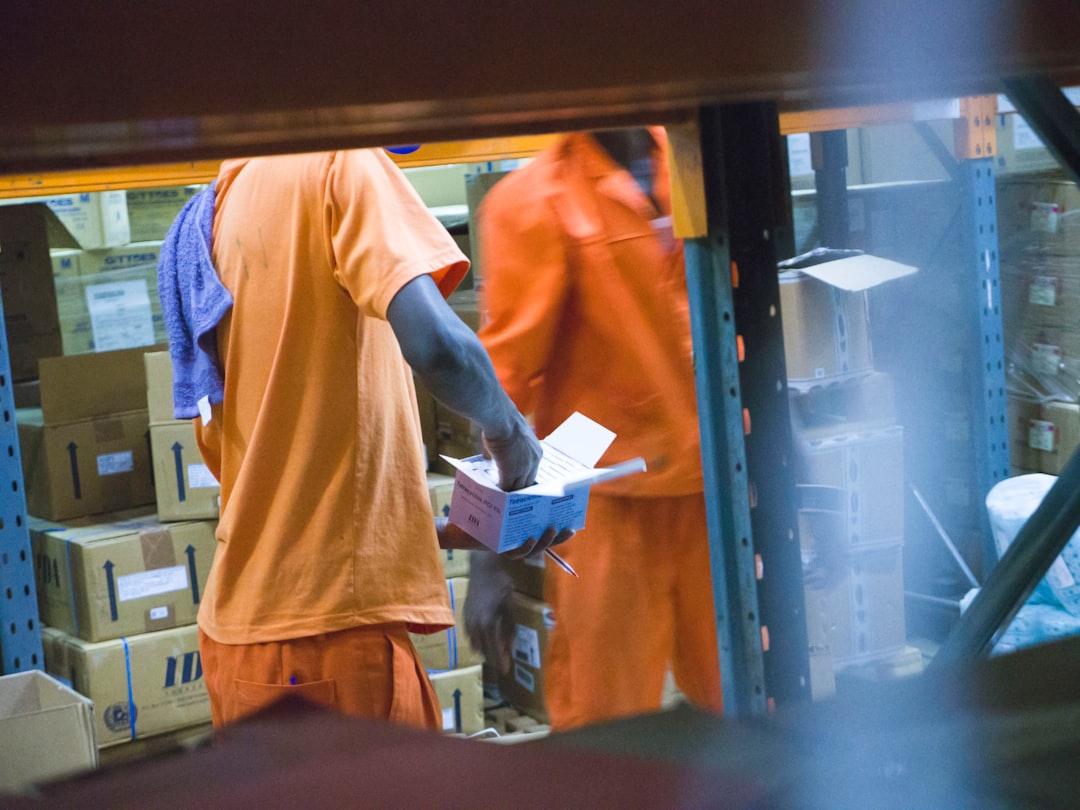
- Warehouse IoT (e.g., RFID tags, BLE beacons) automates inventory counts, cutting audit time by up to 70 %.
- Immutable tracking records ensure all parties see the same version of shipment history—ideal for high‑value goods and regulated industries.
- Smart contracts automatically release payments once predefined conditions (e.g., temperature compliance, on‑time arrival) are met, streamlining finance and reducing disputes.
- Reduced IT overhead – No on‑premise servers, automatic updates.
- Scalability – Add new users or modules (e.g., reverse logistics) without major re‑engineering.
- Improved data integrity – Single source of truth eliminates duplicate entry errors.
- Proactive notifications (SMS, app push) with real‑time ETA updates reduce “Where is my order?” inquiries.
- Delivery windows – Offer customers a choice of 2‑hour slots; this improves first‑attempt success rates and reduces re‑delivery costs.
- Micro‑fulfillment centers (tiny warehouses located within cities) cut last‑mile distance dramatically.
- Autonomous delivery robots and drones are emerging for low‑weight parcels in suburban neighborhoods—keep an eye on regulatory developments.
- Monthly KPI reviews – Track OTD, freight cost per unit, inventory turnover, and order accuracy.
- Root‑cause analysis (5 Whys, Fishbone diagram) for any deviation.
- Pilot small improvements (e.g., redesigning a pick path) before scaling across the network.
b. Design Efficient Warehouse Layouts
1. Cross‑docking zones – For high‑velocity SKUs, create dedicated cross‑dock areas where inbound pallets go straight to outbound docks, slashing handling time.
2. Slotting optimization – Place fast‑moving items near packing stations and heavy items at ground level to reduce picker travel distance and improve ergonomics.
3. Automation where it matters – Deploy conveyor belts, pick‑to‑light systems, or autonomous mobile robots (AMRs) for repetitive tasks; this boosts accuracy and frees staff for value‑added work.
c. Keep the Cold Chain Intact (If Needed)
If you handle perishables, pharmaceuticals, or temperature‑sensitive components, a cold chain is non‑negotiable. Invest in:
—
2. Transportation Mastery: Choosing the Right Modes & Routes
a. Mode Selection – The Freight Forwarder’s Toolbox
| Mode | Ideal For | Pros | Cons |
|——|———–|——|——|
| Road (Truck) | Regional, last‑mile, LTL/FCL | Flexibility, door‑to‑door | Traffic, emissions |
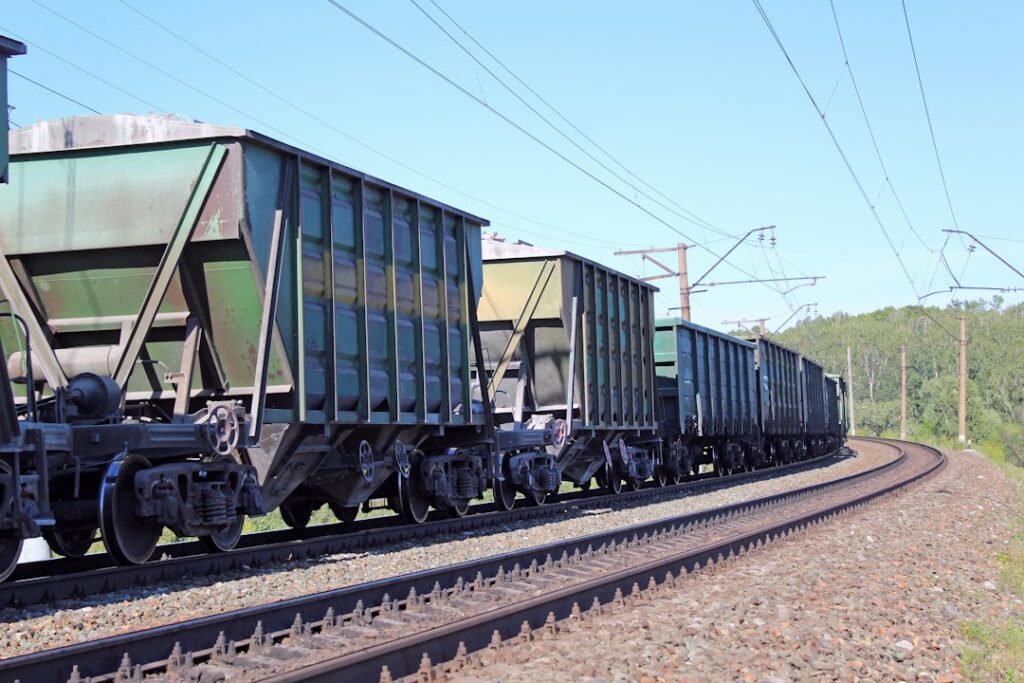
| Rail | Bulk, long‑haul inland | Cost‑effective, lower carbon | Limited network |
| Air | High‑value, urgent, perishables | Speed, global reach | Expensive, weight limits |
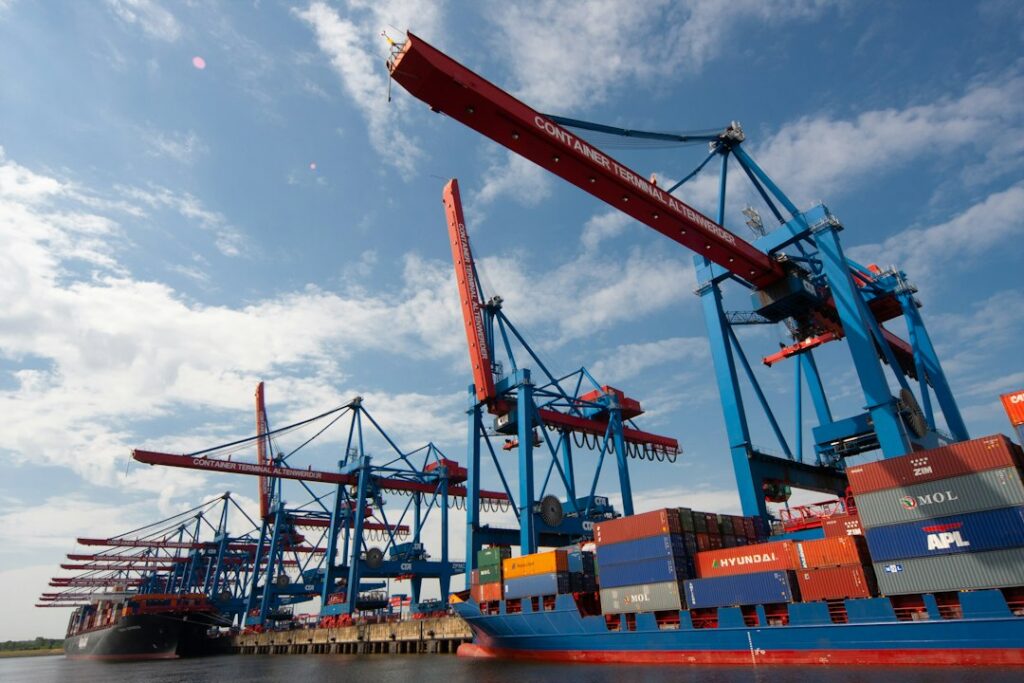
| Ocean | Inter‑continental, heavy cargo | Cheapest per ton‑mile | Slow, port delays |
Match the mode to your product’s value‑to‑weight ratio, required lead time, and customer expectations. A blended approach—often called intermodal transportation—can capture the best of each world.
b. Route Optimization & Real‑Time Visibility
c. Sustainable Transportation Practices
—
3. The Rise of Logistics Technology: From AI to Blockchain
a. Artificial Intelligence & Machine Learning
b. Internet of Things (IoT) – The Eyes and Ears of the Supply Chain
c. Blockchain for Trust & Transparency
d. Cloud‑Based Collaboration Platforms
A unified Supply Chain Execution (SCE) platform connects suppliers, carriers, warehouses, and customers on a single dashboard. Benefits include:
—
4. Last‑Mile Delivery – The Final Frontier of Customer Experience
a. Choose the Right Delivery Model
| Model | Best For | Key Considerations |
|——-|———-|——————–|
| In‑house fleet | High volume, brand control | Capital investment, driver management |
| Third‑party logistics (3PL) | Flexibility, geographic reach | Service level agreements (SLAs) |
| Crowd‑sourced / gig economy | Urban, same‑day | Reliability, insurance |
| Parcel lockers & pick‑up points | Apartment complexes, B2C | Locker placement, security |
b. Enhance Visibility & Communication
c. Embrace Innovative Delivery Methods
—
5. Risk Management & Continuous Improvement
a. Identify and Mitigate Common Risks
| Risk | Mitigation Strategy |
|——|———————|
| Supply disruption (e.g., port strikes) | Dual‑sourcing, safety stock, alternative routes |
| Regulatory changes (e.g., customs tariffs) | Real‑time compliance tools, trade‑agreement monitoring |
| Cybersecurity threats | Multi‑factor authentication, regular penetration testing |
| Natural disasters | Geo‑risk mapping, flexible carrier contracts |
b. Adopt a Kaizen Mindset
c. Build a Culture of Collaboration
Encourage cross‑functional teams (procurement, sales, logistics) to share data and insights. When everyone understands the cost‑to‑serve for each SKU, you can make smarter decisions about product assortment, pricing, and distribution.
—
Conclusion – Key Takeaways for Logistics Leaders
1. Strategic inventory and warehouse design lay the groundwork for speed and cost efficiency.
2. Mode and route optimization—backed by real‑time data—delivers tangible savings and improves service levels.
3. Emerging technologies (AI, IoT, blockchain) turn raw data into actionable intelligence, boosting visibility and trust across the supply chain.
4. Last‑mile excellence is now a brand differentiator; choose the right delivery model and keep customers informed every step of the way.
5. Risk management and continuous improvement are not one‑off projects but ongoing habits that protect your supply chain against disruption.
By integrating these pillars into your logistics strategy, you’ll transform a traditionally cost‑centered function into a powerful engine of growth. The world of logistics is evolving faster than ever—stay curious, stay data‑driven, and watch your business thrive.
—
Ready to revamp your logistics? Start with a quick audit of your current inventory accuracy and transportation spend, then map out a technology roadmap that aligns with your growth goals. The journey to a smarter, faster, and greener supply chain begins today.