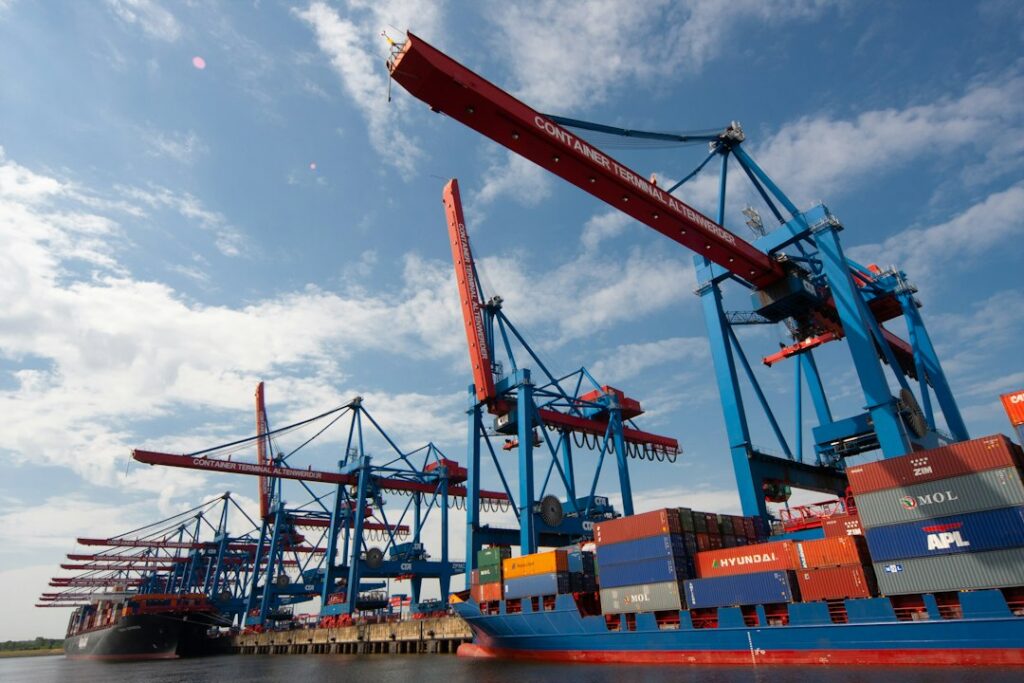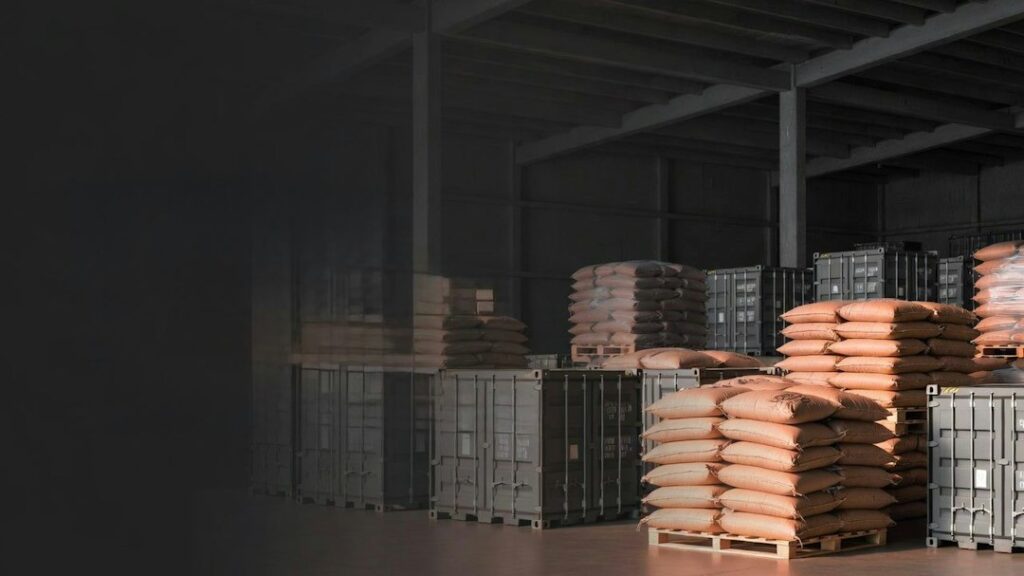

—
Introduction – Why Cargo Matters More Than Ever
Imagine you’ve just ordered a sleek new laptop from a retailer on the other side of the world. Within days, a box arrives at your doorstep, perfectly intact and ready to use. That seamless experience is the result of a complex, high‑stakes dance called cargo transportation. In today’s global economy, cargo isn’t just about moving boxes—it’s the lifeblood of supply chains, the driver of e‑commerce growth, and a massive profit center for businesses that get it right.
If you’re a small‑business owner looking to expand overseas, a logistics manager seeking efficiency, or simply curious about how the world’s goods travel, this guide is for you. We’ll break down the cargo ecosystem, share actionable strategies to cut costs, and reveal the tech tools that keep shipments on track. By the end, you’ll have a clear roadmap to navigate the ever‑evolving world of cargo and freight.
—
1. Understanding the Cargo Landscape: Types, Modes, and Key Players
#### 1.1 What Is Cargo?
Cargo (or freight) refers to any goods transported by air, sea, rail, or road. While the term is often used interchangeably with “freight,” cargo specifically emphasizes the physical items being moved—whether it’s a single pallet of electronics or a full container of raw materials.
#### 1.2 Main Modes of Cargo Transport
| Mode | Ideal For | Pros | Cons |
|——|———–|——|——|
| Ocean Freight | Large, non‑time‑critical shipments (e.g., bulk commodities, manufactured goods) | Lowest cost per ton‑mile, high capacity | Slower transit, weather‑related delays |
| Air Freight | High‑value, perishable, or urgent items (e.g., pharmaceuticals, fashion) | Fastest delivery, global reach | Expensive, weight restrictions |
| Rail Freight | Inland, heavy bulk (e.g., steel, grain) in regions with rail networks | Reliable, eco‑friendly, cost‑effective for long hauls | Limited to rail corridors |
| Road Freight (Trucking) | Door‑to‑door delivery, regional distribution | Flexibility, last‑mile service | Traffic congestion, fuel price volatility |
Understanding which mode fits your product profile is the first step toward an optimized cargo strategy.
#### 1.3 Who Moves the Cargo?
- Freight Forwarders – Act as middlemen, consolidating shipments, handling documentation, and arranging multimodal transport.
- Third‑Party Logistics (3PL) Providers – Offer warehousing, order fulfillment, and transportation management services.
- Carriers – The actual transport operators (shipping lines, airlines, rail companies, trucking firms).
- Customs Brokers – Specialists who clear goods through customs, ensuring compliance with import/export regulations.
- EXW (Ex Works): Buyer handles everything after pickup—great for experienced importers.
- FOB (Free on Board): Seller covers loading onto the vessel; buyer handles ocean freight and beyond.
- CIF (Cost, Insurance, Freight): Seller pays for freight and insurance to the destination port—simplifies buyer’s responsibilities.
- Use lightweight, sturdy boxes (e.g., corrugated with a high burst strength).
- Employ vacuum‑sealed packaging for soft goods.
- Standardize carton dimensions to fit tightly into pallets and containers.
- Multi‑modal support (air, ocean, rail, road)
- Automated documentation (Bill of Lading, Commercial Invoice)
- Analytics dashboard for cost per mile, on‑time performance, and carbon footprint
- Set alert thresholds (e.g., temperature > 8 °C) to trigger immediate action.
- Integrate sensor data into your TMS for a unified view.
- Dynamic pricing: Adjust freight contracts based on forecasted demand.
- Capacity planning: Secure space on vessels or trucks before rates surge.
- Risk mitigation: Anticipate disruptions (e.g., port strikes) and reroute proactively.
- Accurate HS Codes: Use the correct Harmonized System code for each product; misclassification can trigger penalties.
- Document Checklist: Commercial Invoice, Packing List, Certificate of Origin, and any required import licenses.
- Stay Updated: Trade agreements (e.g., USMCA, EU‑UK Trade and Cooperation Agreement) change regularly; subscribe to customs authority newsletters.
- Cargo Insurance: Choose All‑Risk coverage for high‑value items; for bulk commodities, General Average coverage may suffice.
- Security Protocols: Seal containers with high‑security twist‑locks, and use GPS tracking to deter hijacking.
- Booking templates (including Incoterms, preferred routes).
- Documentation checklists for each destination country.
- Escalation matrix for delays or incidents.
- Cost per shipment vs. target
- On‑time delivery performance
- Incident reports (damage, customs holds)
- Sustainability metrics
- Map your product to the right transport mode—speed vs. cost trade‑offs matter.
- Consolidate shipments whenever possible to lower per‑unit freight expenses.
- Invest in a modern TMS for visibility, automation, and data‑driven decisions.
- Maintain strict customs compliance to avoid costly delays.
- Commit to sustainability—it’s both a market differentiator and a long‑term cost saver.
Actionable Tip: When selecting a partner, prioritize those with real‑time tracking, transparent pricing, and a track record in your target market. A short vetting checklist (insurance coverage, certifications, client references) can save you headaches later.
—
2. Building a Cost‑Effective Cargo Strategy
#### 2.1 Calculate Your True Landed Cost
The landed cost isn’t just the price of the product; it includes freight charges, duties, taxes, insurance, and handling fees. Use a simple spreadsheet formula:
“`
Landed Cost = Product Cost + Freight (per unit) + Customs Duties + Taxes + Insurance + Port/Terminal Fees + Inland Transportation
“`
By breaking down each component, you can spot where savings are possible.
#### 2.2 Consolidation: The Power of Shared Containers
If you’re shipping less than a full container load (FCL), consider Less‑Than‑Container Load (LCL) consolidation. By pooling cargo with other shippers, you share container space and reduce per‑unit costs.
Actionable Steps:
1. Partner with a freight forwarder that offers regular LCL schedules.
2. Standardize packaging (e.g., 40‑x‑40‑inch pallets) to maximize space utilization.
3. Schedule shipments around peak consolidation windows to avoid extra handling fees.
#### 2.3 Leverage Incoterms for Risk Management
Incoterms (International Commercial Terms) define who pays for what and who bears risk at each stage. Common choices:
Actionable Tip: Align Incoterms with your company’s risk tolerance and logistics capabilities. For first‑time importers, CIF often reduces surprise costs.
#### 2.4 Optimize Packaging for Weight & Volume
Air freight charges are based on dimensional weight (length × width × height ÷ a divisor). Reducing package size can slash air freight bills dramatically.
—
3. Harnessing Technology: From TMS to AI‑Driven Forecasting
#### 3.1 Transportation Management Systems (TMS)
A robust TMS provides end‑to‑end visibility: rate shopping, carrier selection, route optimization, and real‑time tracking.
Key Features to Look For:
Actionable Move: Start with a cloud‑based TMS that offers a free trial. Pilot it on a single product line, measure cost savings, then scale.
#### 3.2 IoT Sensors & Real‑Time Tracking
Internet‑of‑Things (IoT) devices attached to containers can monitor temperature, humidity, shock, and location. This is crucial for temperature‑sensitive cargo like pharmaceuticals or fresh produce.
#### 3.3 AI & Predictive Analytics for Demand Forecasting
Artificial intelligence can analyze historical shipment data, market trends, and seasonal spikes to predict future cargo volumes.
Practical Use Cases:
Actionable Tip: If you lack in‑house AI expertise, partner with a logistics tech provider that offers pre‑built forecasting modules—many are plug‑and‑play with popular TMS platforms.
—
4. Navigating Compliance & Sustainability
#### 4.1 Customs Compliance Made Simple
Non‑compliance can lead to fines, shipment delays, or even seizure of goods. Keep these fundamentals in mind:
Quick Action: Create a customs compliance SOP (Standard Operating Procedure) and train your shipping team annually.
#### 4.2 Green Cargo: Reducing Your Environmental Footprint
Customers increasingly prefer eco‑friendly supply chains. Here’s how to make your cargo operations greener:
1. Choose Low‑Carbon Carriers: Opt for carriers that use slow steaming (fuel‑efficient ocean voyages) or electric/alternative‑fuel trucks for short hauls.
2. Implement Consolidated Shipping: Fewer trips mean lower emissions per unit.
3. Adopt Sustainable Packaging: Recyclable or biodegradable materials reduce waste.
4. Measure & Report: Use your TMS’s carbon calculator to publish a Carbon Transparency Report—a powerful marketing asset.
Actionable Goal: Aim to reduce your cargo‑related CO₂ emissions by 10 % within the next 12 months by combining the steps above.
#### 4.3 Security and Cargo Insurance
Protecting cargo from loss, damage, or theft is non‑negotiable.
Quick Checklist: Verify insurance limits before each shipment and keep a digital copy of the policy attached to the shipment record in your TMS.
—
5. Scaling Your Cargo Operations for Growth
#### 5.1 Build a Flexible Carrier Network
Relying on a single carrier can be risky. Cultivate relationships with multiple carriers across each mode to negotiate better rates and ensure capacity during peak seasons.
#### 5.2 Develop a Robust SOP Library
Standardized procedures—from booking to final delivery—reduce errors and speed up onboarding of new staff or partners. Include:
#### 5.3 Invest in Talent & Continuous Training
Logistics is a rapidly evolving field. Encourage your team to earn certifications like Certified International Trade Professional (CITP) or Freight Forwarder Diploma.
Actionable Plan: Allocate 5 % of the annual logistics budget to employee development and technology upgrades.
#### 5.4 Review & Refine Quarterly
Set up a Quarterly Cargo Review meeting to assess:
Use these insights to fine‑tune contracts, adjust routing, or adopt new tech solutions.
—
Conclusion – Your Cargo Playbook for Success
Cargo isn’t just a line item on a balance sheet; it’s a strategic lever that can boost profitability, enhance customer satisfaction, and strengthen your brand’s reputation. By:
1. Understanding the cargo ecosystem (modes, players, and Incoterms)
2. Crafting a cost‑effective strategy through consolidation, smart packaging, and accurate landed‑cost calculations
3. Leveraging technology such as TMS, IoT sensors, and AI forecasting
4. Staying compliant and sustainable with customs best practices and green initiatives
5. Scaling wisely with diversified carriers, SOPs, and continuous training
…you position your business to thrive in a competitive, global marketplace.
Key Takeaways
Ready to take your cargo operations to the next level? Start by auditing your current freight spend, then implement one of the actionable tips above this week. The sooner you act, the faster you’ll see savings, smoother deliveries, and happier customers. Happy shipping!