—
Introduction – Why Cargo Matters More Than Ever
Imagine you’ve just ordered a sleek new laptop from a retailer halfway across the globe. Within days, it arrives at your doorstep, perfectly packaged and ready to use. Behind that seamless experience lies a complex web of cargo operations that moves millions of tons of goods every single day. In today’s hyper‑connected economy, cargo isn’t just about boxes on a ship—it’s the lifeblood of supply chains, the driver of e‑commerce growth, and a strategic asset for businesses of every size.
If you’ve ever wondered how cargo gets from point A to point B, how to cut shipping costs, or which technology can make freight handling smoother, you’re in the right place. This 1,000‑word guide breaks down the essentials of cargo management, offers actionable tips you can apply now, and looks ahead at the trends reshaping the industry.
—
1. Understanding Cargo Types & Modes of Transport
1.1 What Exactly Is Cargo?
In logistics speak, cargo refers to any goods or commodities that are transported—whether raw materials, finished products, or hazardous items. The term can apply to everything from a single pallet of coffee beans to a multi‑deck container ship loaded with automobiles.
1.2 Primary Modes of Cargo Transport
| Mode | Ideal Cargo | Key Advantages | Typical Use Cases |
|——|————-|—————-|——————-|
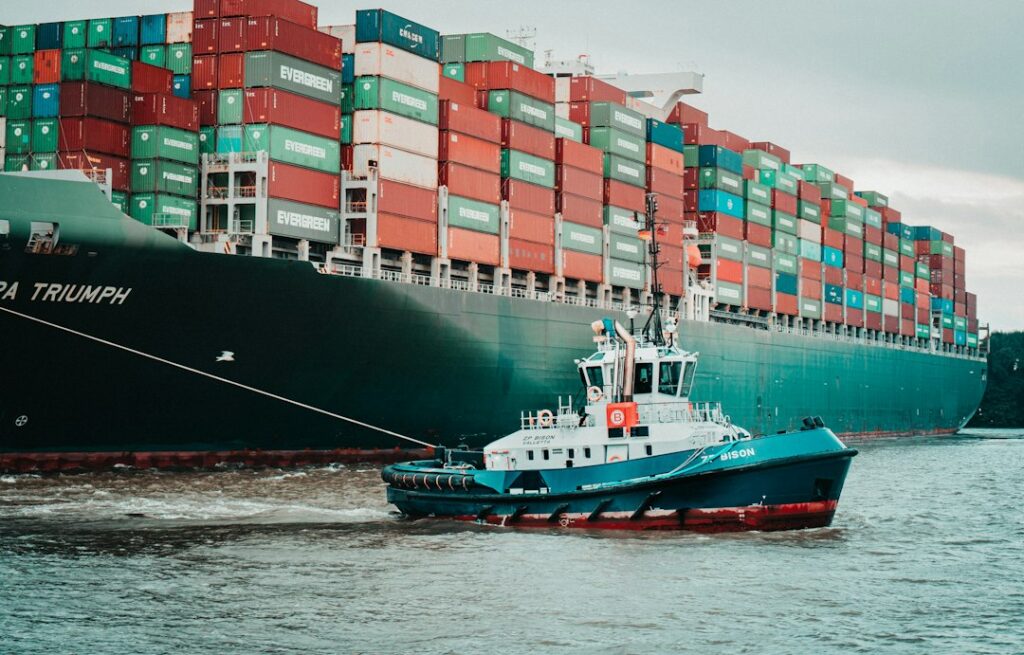
| Sea Freight | Bulk goods, heavy machinery, containers | Low cost per ton, high capacity | International trade, raw material imports |
| Air Freight | High‑value, time‑sensitive, perishable | Speed, global reach | Electronics, pharmaceuticals, fashion |
| Road (Truck) Freight | Regional deliveries, LTL/FTL shipments | Door‑to‑door service, flexibility | Domestic distribution, last‑mile |
| Rail Freight | Heavy, bulk, intercontinental (e.g., US, EU) | Energy‑efficient, reliable schedules | Coal, grain, intermodal containers |
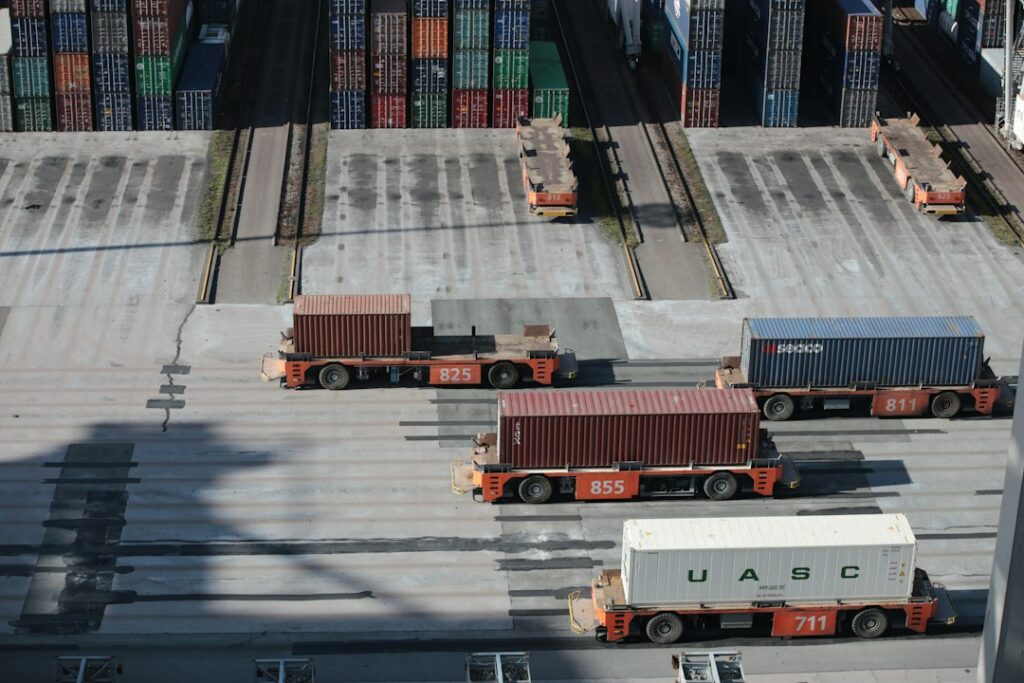
| Intermodal (combination) | Any cargo requiring multiple modes | Cost‑effective, reduced handling | Containerized shipments crossing continents |
Actionable tip: Conduct a mode‑selection audit for each product line. Match cargo characteristics (weight, value, urgency) with the most cost‑effective transport mode. A simple spreadsheet comparing shipping rates, transit times, and handling fees can reveal savings of up to 15 % per shipment.
1.3 Special Cargo Considerations
- Perishables: Require temperature‑controlled containers (reefers) and real‑time monitoring.
- Hazardous Materials: Must comply with IMDG (sea), IATA (air), and DOT (road) regulations; proper labeling and documentation are non‑negotiable.
- Oversized/Heavy Cargo: Often needs custom crating, permits, and specialized equipment like flatbeds or heavy‑lift vessels.
- Cube Utilization: Maximize space by calculating the cubic volume of each item and arranging them like a 3‑D puzzle.
- Weight Distribution: Keep the center of gravity balanced to avoid penalties on ships and trucks.
- Software Solutions: Invest in a load optimization platform (e.g., CargoSmart, Cargowise) that automatically suggests the most efficient packing pattern.
- Early detection of delays or temperature excursions.
- Automated alerts for customs or compliance breaches.
- Enhanced customer communication (share a live map link).
- Instant document exchange with carriers and customs authorities.
- Immutable audit trails that reduce fraud risk.
- Faster clearance times—some ports report up to a 30 % reduction.
- Adjust carrier contracts proactively.
- Reroute shipments before a storm hits.
- Optimize carrier selection based on cost‑vs‑speed algorithms.
- Consolidated Sea Freight: Fill containers to capacity before sailing.
- Rail Over Road: Shift long‑haul truck trips to rail where possible.
- Alternative Fuels: Encourage carriers using LNG, bio‑fuels, or electric trucks.
- Use recyclable or reusable pallets (e.g., plastic or collapsible wood).
- Implement cargo securing methods that reduce the need for excess dunnage (e.g., stretch film instead of wooden crates).
- Partner with carriers that have ISO 14001 environmental management certifications.
—
2. Building an Efficient Cargo Supply Chain
2.1 Mapping the End‑to‑End Flow
1. Sourcing & Procurement – Identify reliable suppliers and negotiate freight terms.
2. Inbound Logistics – Move raw materials to manufacturing sites using optimal modes.
3. Production & Consolidation – Bundle finished goods into pallets or containers.
4. Outbound Freight – Dispatch cargo to distribution centers or directly to customers.
5. Last‑Mile Delivery – The final leg that often determines customer satisfaction.
Visualizing each step in a process flow diagram helps spot bottlenecks before they become costly delays.
2.2 Key Performance Indicators (KPIs) for Cargo Management
| KPI | Why It Matters | How to Measure |
|—–|—————-|—————-|
| On‑Time Delivery (OTD) | Customer trust & inventory turnover | % shipments arriving within agreed window |
| Freight Cost per Unit | Profitability | Total freight spend ÷ total units shipped |
| Damage Rate | Product quality & brand reputation | % of shipments with reported damage |
| Transit Time Variance | Predictability | Difference between planned vs. actual transit days |
| Customs Clearance Time | Compliance efficiency | Avg. hours from arrival to release |
Actionable tip: Set a baseline for each KPI, then use a dash‑board tool (e.g., Power BI, Tableau) to monitor trends weekly. Small variances often signal larger systemic issues.
2.3 Optimizing Cargo Load Planning
Quick win: Conduct a quarterly load audit—compare actual vs. planned cube utilization. Even a 5 % improvement can translate into one fewer container per month for a mid‑size exporter.
—
3. Leveraging Technology for Smarter Cargo Operations
3.1 Real‑Time Tracking & Visibility
Modern freight providers embed IoT sensors in containers, delivering live data on location, temperature, humidity, and shock events. Benefits include:
Actionable tip: Choose a tracking solution that integrates with your ERP or WMS via API, ensuring data flows seamlessly into existing workflows.
3.2 Digital Documentation & Customs Automation
Paper‑based bills of lading, commercial invoices, and certificates of origin are costly and error‑prone. Electronic Data Interchange (EDI) and Blockchain platforms now enable:
Implementation step: Start with a pilot for one product line, using a cloud‑based freight forwarder portal that supports e‑B/L (electronic Bill of Lading).
3.3 AI‑Powered Forecasting & Route Optimization
Artificial intelligence can predict demand spikes, weather disruptions, and port congestion, allowing you to:
Practical example: A mid‑size apparel brand used an AI tool to forecast a 20 % surge in Chinese shipments before the 2024 Singles’ Day. By pre‑booking space, they saved $150,000 in premium air‑freight fees.
—
4. Sustainable Cargo Practices – Shipping Green
4.1 Why Sustainability Matters
Consumers now expect brands to reduce their carbon footprint. Freight accounts for roughly 8 % of global CO₂ emissions, making cargo a prime area for sustainability initiatives.
4.2 Low‑Carbon Shipping Options
Actionable tip: Request Carbon Emission Reports from your freight forwarder and set a target—e.g., cut freight‑related emissions by 10 % within two years.
4.3 Green Packaging & Cargo Handling
—
5. Future Trends Shaping Cargo in the Next Decade
| Trend | Impact on Cargo Operations |
|——-|—————————-|
| Autonomous Ships & Trucks | Reduced labor costs, higher safety, but regulatory hurdles remain. |
| Hyperloop & High‑Speed Rail Freight | Potential to cut transit times for regional cargo dramatically. |
| Smart Ports (Digital Twins) | Real‑time simulation of port operations, minimizing berth wait times. |
| Circular Supply Chains | More reverse‑logistics cargo (returns, refurbishing) requiring dedicated handling. |
| 5G Connectivity | Ultra‑low latency for IoT sensors, enabling instant corrective actions. |
Takeaway: While many of these innovations are still emerging, early adopters who pilot new technologies and build flexible contracts will gain a competitive edge.
—
Conclusion – Key Takeaways for Mastering Cargo
1. Choose the Right Mode: Align cargo characteristics with the most cost‑effective transport—sea for bulk, air for speed, intermodal for flexibility.
2. Measure What Matters: Track KPIs like on‑time delivery, freight cost per unit, and damage rate to keep performance in check.
3. Embrace Technology: Real‑time tracking, digital documentation, and AI forecasting turn data into actionable insights.
4. Go Green: Consolidate shipments, opt for low‑carbon carriers, and use sustainable packaging to meet consumer expectations and reduce costs.
5. Stay Future‑Ready: Keep an eye on autonomous vehicles, smart ports, and 5G‑enabled IoT—early pilots can future‑proof your cargo strategy.
By treating cargo not just as a cost center but as a strategic lever, businesses can unlock faster deliveries, lower expenses, and a greener brand reputation. Ready to transform your freight operations? Start with a simple audit of your current cargo processes, apply the actionable tips above, and watch your supply chain become leaner, smarter, and more resilient. Happy shipping!