
—
Introduction – Why Cargo Matters More Than Ever
Imagine you’re planning a big move across the country, or you’re a small business owner trying to get products from a factory in Shenzhen to a storefront in Chicago. In both scenarios, cargo is the lifeblood that keeps everything moving forward. Yet, for many, cargo remains a mysterious, sometimes intimidating part of the supply chain.
In today’s fast‑paced global market, mastering cargo logistics can mean the difference between a thriving business and a costly bottleneck. Whether you’re dealing with freight shipping, air cargo, ocean freight, or ground transportation, understanding the fundamentals—and the latest tools—will help you cut costs, improve delivery times, and boost customer satisfaction.
In this 1,000‑word guide, we’ll unpack everything you need to know about cargo: from choosing the right shipping mode to leveraging technology for real‑time tracking, and even protecting your shipments with the right insurance. Let’s dive in and turn cargo chaos into cargo confidence.
—
1. Choosing the Right Shipping Mode: Air, Ocean, Road, or Rail?
One of the first—and most critical—decisions in cargo management is selecting the appropriate shipping mode. Each mode has its own cost structure, speed, and suitability for different types of goods.
a. Air Cargo – Speed at a Premium
- When to use it: High‑value items, perishable goods, or time‑sensitive shipments (e.g., electronics, pharmaceuticals).
- Pros: Fastest transit times (often 24‑72 hours), reduced inventory holding costs, and lower risk of damage due to fewer handling points.
- Cons: Higher freight rates, weight restrictions, and stricter security regulations.
- When to use it: Bulk commodities, heavy machinery, or any cargo where cost outweighs speed (e.g., furniture, raw materials).
- Pros: Lowest cost per kilogram, large capacity, and environmentally efficient for massive shipments.
- Cons: Longer transit times (2‑6 weeks), exposure to weather delays, and more complex documentation.
- When to use it: Domestic distribution, last‑mile delivery, or intermodal transfers.
- Pros: Door‑to‑door service, flexible routing, and relatively low cost for short to medium distances.
- Cons: Traffic congestion, fuel price volatility, and limited capacity for oversized loads.
- Bill of Lading (B/L): The contract between shipper and carrier; serves as a receipt and title document.
- Commercial Invoice: Details product value, HS codes, and buyer/seller information.
- Packing List: Itemizes each package’s contents, weight, and dimensions.
- Certificate of Origin: Required for customs clearance in many countries.
- Insurance Certificate: Proof of cargo coverage (more on that later).
- Current position and estimated arrival time.
- Route deviations or unexpected stops.
- Temperature and humidity (for perishable cargo).
- Temperature: Ensure cold chain integrity.
- Shock/Vibration: Detect rough handling.
- Humidity: Prevent moisture‑related damage.
- Predictive ETA adjustments using AI.
- Integration with ERP and WMS systems.
- Performance analytics (on‑time delivery rates, carrier reliability).
- Declared Value: The actual commercial value of the goods, not the shipping cost.
- Deductibles: The amount you’ll pay out‑of‑pocket before the insurer steps in. Lower deductibles mean higher premiums.
- Policy Limits: Ensure the limit exceeds the total value of the cargo to avoid under‑insurance.
- Document every stage of loading and unloading with photos.
- Keep all original shipping documents (B/L, invoice, packing list).
- Report incidents to the carrier within the stipulated time frame (usually 24‑48 hours).
- Rail over Truck: Rail emits up to 75% less CO₂ per ton‑mile.
- Consolidated Ocean Freight: Full container loads reduce empty space, cutting emissions per unit.
- Use load optimization software to maximize container space, reducing the number of trips required.
- Adopt lightweight packaging (recyclable corrugated, biodegradable films) to lower overall weight.
Actionable tip: If you’re shipping products that generate a high profit margin per unit, the added cost of air freight often pays for itself in faster cash flow and happier customers.
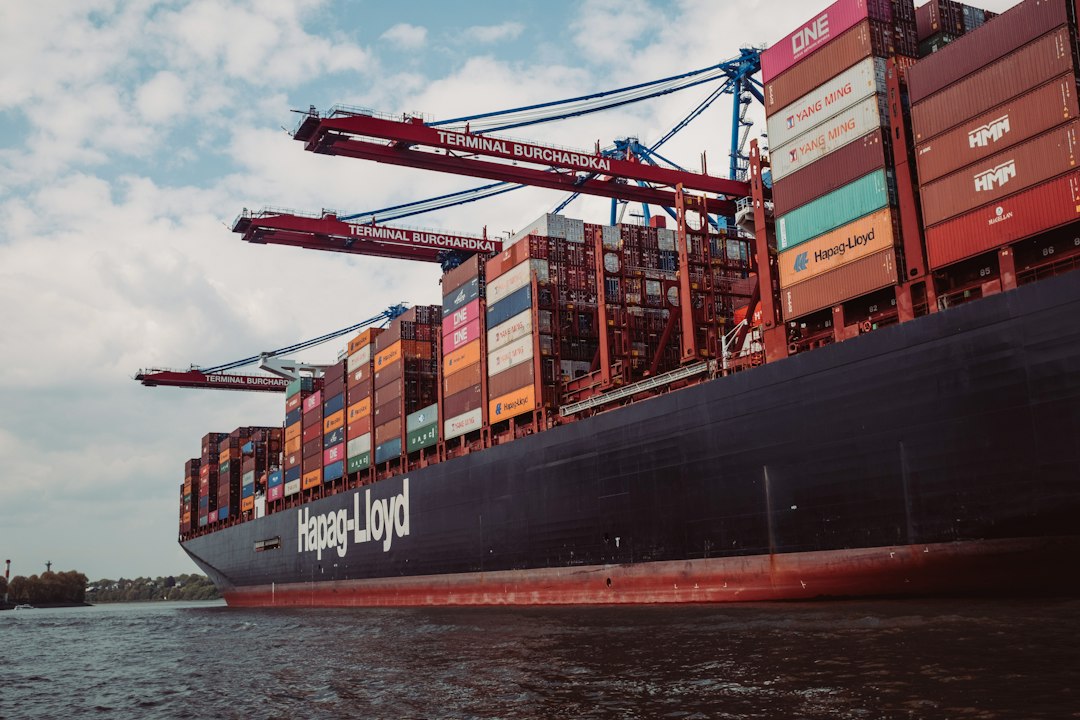
b. Ocean Freight – The Workhorse of Global Trade
Actionable tip: Consolidate smaller shipments into a full container load (FCL) or less‑than‑container load (LCL) to maximize space utilization and lower per‑unit costs.
c. Road & Rail – Flexibility for Domestic Moves
Actionable tip: Pair road transport with rail (intermodal shipping) to benefit from rail’s fuel efficiency while retaining the door‑to‑door convenience of trucking.
—
2. Optimizing Cargo Packing & Documentation
Even the best shipping mode can’t compensate for poor packing or incomplete paperwork. Efficient cargo handling starts long before the container doors close.
a. Smart Packing Strategies
1. Weight Distribution: Place heavier items at the bottom and center to maintain stability.
2. Void Fill: Use airbags, foam, or corrugated inserts to prevent movement and damage.
3. Labeling: Clearly mark hazardous materials, fragile items, and orientation arrows (e.g., “This Side Up”).
Pro tip: Adopt cube utilization software to calculate the optimal arrangement of pallets and boxes, reducing the number of containers needed.
b. Essential Documentation
Pro tip: Use a digital freight forwarder platform that auto‑generates these documents based on your order data, minimizing human error and speeding up customs clearance.
—
3. Real‑Time Cargo Tracking: From IoT Sensors to Cloud Platforms
In the age of e‑commerce, customers expect visibility into every step of their order’s journey. Real‑time cargo tracking not only satisfies consumer demand but also empowers shippers to react quickly to disruptions.
a. GPS & Satellite Tracking
Most carriers now embed GPS modules in containers or trailers, feeding location data to cloud dashboards. You can monitor:
b. IoT Sensors for Condition Monitoring
For sensitive cargo—like pharmaceuticals or fresh produce—Internet of Things (IoT) sensors provide critical data:
Actionable tip: Set up automated alerts (e.g., email or SMS) for any parameter that exceeds predefined thresholds, allowing you to intervene before loss occurs.
c. Cloud‑Based Visibility Platforms
Platforms such as Project44, FourKites, and Flexport aggregate data from multiple carriers, giving you a single pane of glass for all shipments. Features often include:
Pro tip: Choose a platform that offers API connectivity to your existing order‑management system—this eliminates manual data entry and ensures seamless workflow automation.
—
4. Protecting Your Cargo: Insurance and Risk Management
Even with perfect packing and tracking, unforeseen events—storms, piracy, accidents—can jeopardize your shipment. Cargo insurance is a safety net that protects your bottom line.
a. Types of Cargo Insurance
1. All‑Risk Coverage: Broad protection against loss, theft, damage, and natural disasters.
2. Named Perils: Covers only specific risks listed in the policy (e.g., fire, collision, overturn).
3. Freight Insurance: Covers the value of the goods in transit, often required by banks for letters of credit.
b. Calculating Coverage Needs
Actionable tip: Conduct a risk assessment for each route—high‑risk corridors (e.g., piracy‑prone waters) may warrant higher coverage or additional security measures.
c. Claims Process Best Practices
Pro tip: Work with a cargo insurance broker who specializes in your industry; they can negotiate better terms and expedite claim settlements.
—
5. Sustainable Cargo Practices: Reducing Your Environmental Footprint
Consumers and regulators alike are pushing for greener logistics. Implementing sustainable cargo strategies can lower costs and boost brand reputation.
a. Choose Eco‑Friendly Shipping Modes
b. Optimize Load Planning
c. Carbon Offsetting
Many carriers now offer carbon offset programs—you can purchase credits to neutralize the emissions of a particular shipment.
Actionable tip: Publish a sustainability report outlining your cargo carbon footprint and the steps you’re taking to improve it. This transparency resonates with eco‑conscious customers and can be a differentiator in competitive markets.
—
Conclusion – Key Takeaways for Cargo Mastery
1. Select the Right Shipping Mode: Balance speed, cost, and cargo characteristics to pick air, ocean, road, or rail.
2. Pack Smart & Document Thoroughly: Proper packing, accurate labeling, and complete paperwork prevent delays and damage.
3. Leverage Real‑Time Tracking: GPS, IoT sensors, and cloud platforms give you visibility and the power to act fast.
4. Insure Wisely: Choose coverage that matches your cargo’s value and route risks, and keep meticulous records for smooth claims.
5. Go Green: Optimize loads, choose lower‑emission transport, and consider carbon offsets to meet sustainability goals.
By integrating these strategies into your cargo operations, you’ll not only streamline logistics but also create a resilient, cost‑effective, and environmentally responsible supply chain. Remember, cargo isn’t just a box moving from point A to B—it’s the engine that drives growth, customer loyalty, and global connectivity. Master it, and watch your business soar.
—