—
Introduction – Why “Cargo” Matters More Than Ever
Imagine you’re ordering a custom‑made sofa from a boutique in Italy, a cutting‑edge gadget from Japan, or a critical medical supply for a hospital in Kenya. What makes that product appear at your doorstep is a complex web of cargo handling, freight forwarding, and logistics management. At the same time, developers building the next big software tool rely on Cargo, Rust’s powerful package manager, to ship code efficiently.
Whether you’re a supply‑chain professional, an e‑commerce entrepreneur, or a Rust developer, understanding the many facets of “cargo” can give you a competitive edge. In this 1,000‑word deep dive we’ll explore the core concepts of cargo shipping, the technology that streamlines it, and the role of Cargo in modern software development. By the end, you’ll have actionable strategies to improve cargo visibility, reduce costs, and—if you code in Rust—boost your project’s productivity.
—
1. The Foundations of Cargo Shipping: From Origin to Destination
#### 1.1 What Is Cargo?
Cargo refers to any goods or commodities transported by sea, air, rail, or road. In logistics jargon, cargo is the payload that moves through a supply chain, and its safe, timely delivery is the ultimate performance metric for carriers and shippers alike.
#### 1.2 Types of Cargo
| Category | Typical Mode | Key Considerations |
|———-|————–|——————–|
| Dry Bulk | Bulk carriers, railcars | Weight, moisture control |
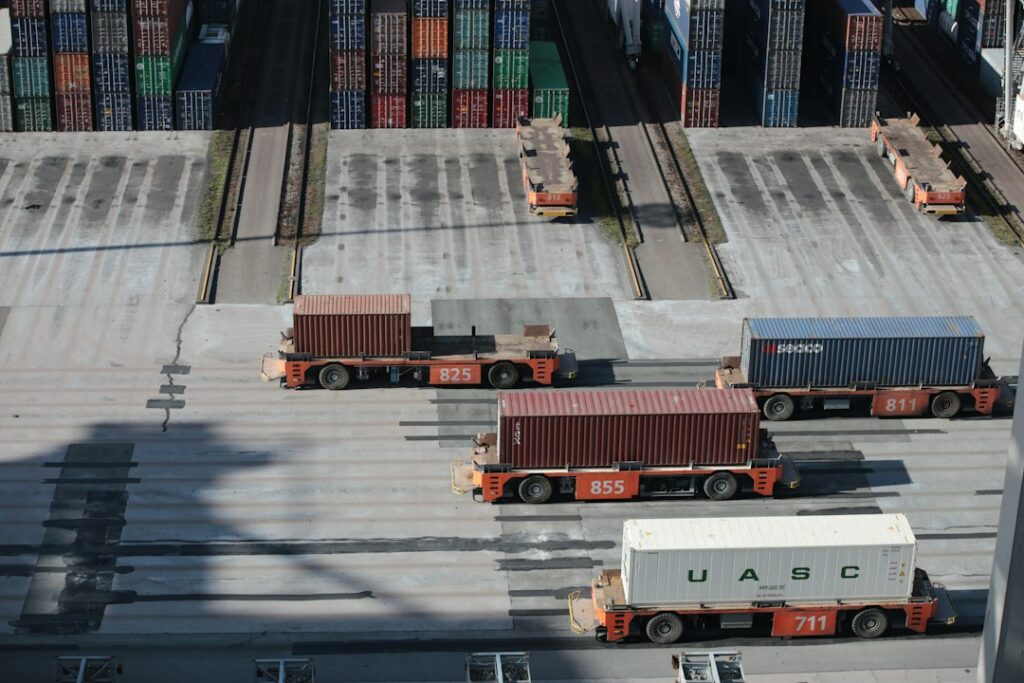
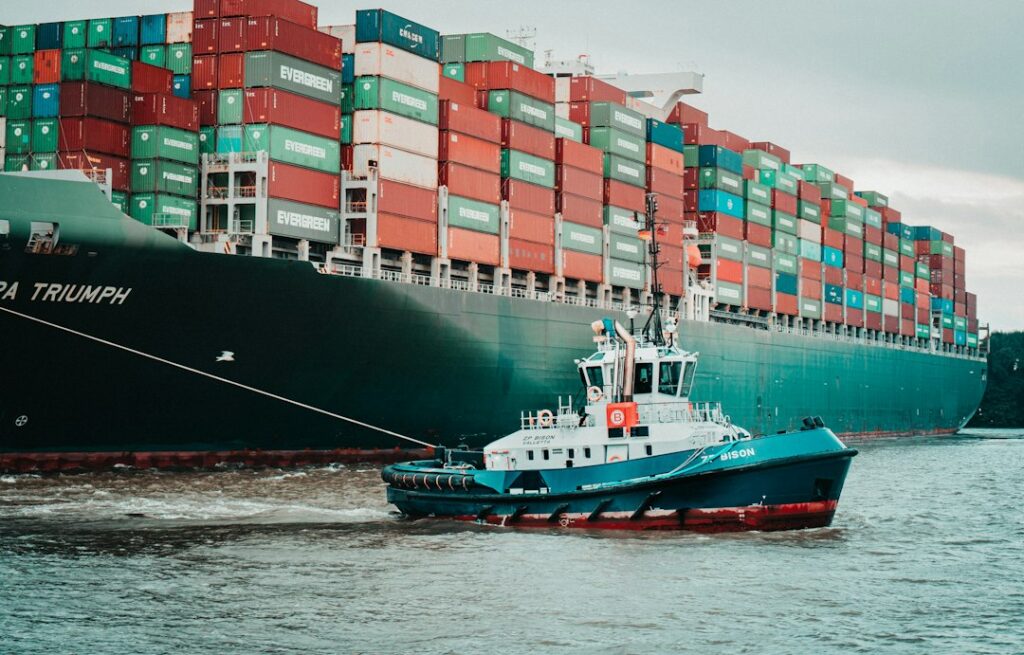
| Containerized | Container ships, trucks, trains | Standardization (20‑ft, 40‑ft), intermodal handling |
| Perishable | Refrigerated trucks, reefers, air cargo | Temperature control, shelf life |
| Hazardous | Specialized tankers, air freight | Compliance (IMDG, IATA), safety protocols |
| Oversized/Project Cargo | Heavy‑lift vessels, custom trailers | Dimensions, crane capacity, route planning |
Understanding the cargo type you handle determines the freight rates, insurance needs, and regulatory compliance steps you’ll follow.
#### 1.3 The End‑to‑End Cargo Flow
1. Booking & Documentation – A shipper books space with a carrier and prepares a Bill of Lading (B/L), commercial invoice, and packing list.
2. Pickup & Consolidation – Goods are collected, often consolidated into a container or pallet for efficiency.
3. Transportation – The cargo moves via the chosen mode (truck → port → vessel → rail → final‑mile delivery).
4. Customs Clearance – Import/export authorities verify documentation, assess duties, and release the cargo.
5. Delivery & Proof of Delivery (POD) – The consignee signs off, completing the transaction.
Each step generates data that can be captured, analyzed, and optimized—enter cargo tracking technology.
—
2. Boosting Efficiency with Modern Cargo Technology
#### 2.1 Real‑Time Cargo Tracking
IoT sensors, GPS, and satellite communication now enable real‑time visibility of shipments. Benefits include:
- Proactive exception handling (e.g., temperature spikes for perishables).
- Improved customer experience through accurate ETA updates.
- Data‑driven route optimization, reducing fuel consumption and emissions.
- Document generation (auto‑populate B/Ls from ERP data).
- Rate shopping (AI compares carrier quotes instantly).
- Compliance checks (automated verification against hazardous material regulations).
- Proof of origin for high‑value goods (e.g., diamonds).
- Smart contracts that trigger payment upon POD verification.
- Consolidate shipments to achieve higher container fill rates.
- Select low‑carbon carriers (e.g., vessels with LNG propulsion).
- Implement carbon‑offset programs tied to shipment invoices.
- Cargo type (hazardous goods attract higher premiums).
- Route risk (high‑piracy zones like the Gulf of Aden).
- Packaging quality (robust packaging can lower risk).
- Dependency Management – Cargo pulls crates (libraries) from crates.io, handling version resolution automatically.
- Build Automation – `cargo build`, `cargo run`, and `cargo test` compile code, run binaries, and execute test suites with a single command.
- Workspace Support – Manage multiple related crates in a single repository, simplifying monorepo workflows.
- Visibility is king – Real‑time tracking transforms reactive problem solving into proactive optimization.
- Automation reduces risk – From AI‑driven rate shopping to Cargo’s automated builds, less manual work means fewer errors.
- Insurance is a strategic investment – Proper coverage protects margins and brand reputation.
- Sustainability pays off – Eco‑friendly cargo practices cut fuel costs and meet customer expectations.
- Rust developers, meet Cargo – Treat your codebase like a shipment: manage dependencies, secure it, and deliver it reliably.
Actionable tip: Deploy a cloud‑based TMS (Transportation Management System) that integrates with carrier APIs and offers a unified dashboard for all shipment statuses.
#### 2.2 Automation in Freight Forwarding
Artificial intelligence can automate routine tasks such as:
Implement a Freight Forwarding Automation Platform that supports EDI (Electronic Data Interchange) to cut manual entry errors by up to 70 %.
#### 2.3 Blockchain for Cargo Security
Blockchain provides an immutable ledger for cargo events, enhancing trust among parties. Use cases include:
Quick start: Pilot a blockchain pilot with a single trade lane and evaluate reduction in paperwork and dispute resolution time.
#### 2.4 Sustainable Cargo Practices
Eco‑friendly logistics isn’t just a buzzword; it’s a cost‑saving imperative. Strategies:
A 5 % improvement in load factor can shave up to 10 % off fuel costs per TEU (Twenty‑foot Equivalent Unit).
—
3. Cargo Insurance: Protecting Your Goods and Bottom Line
#### 3.1 Why Insurance Is Non‑Negotiable
Even the most reliable carriers face risks: weather disruptions, piracy, customs holds, and accidents. Cargo insurance safeguards against financial loss and preserves brand reputation.
#### 3.2 Types of Coverage
| Coverage | When It Applies | Typical Exclusions |
|———-|—————-|——————-|
| All‑Risk (Institute Cargo Clauses A) | Most perils, including theft and damage | War, nuclear events |
| Named Perils (Clause C) | Specific risks listed (e.g., fire, collision) | Any unlisted peril |
| Freight Insurance | Loss of freight revenue due to cargo damage | Physical loss of goods |
| War Risk Insurance | Acts of war, terrorism, piracy | Standard all‑risk policies |
#### 3.3 Calculating Premiums
Premiums are usually a percentage of cargo value (often 0.1 %–0.5 %). Factors influencing rates:
Actionable tip: Conduct a risk assessment for each shipment and negotiate a blanket policy for recurring trade lanes to lock in lower rates.
#### 3‑Step Claim Process
1. Immediate Notification – Inform the insurer within 24 hours of loss.
2. Document Evidence – Gather photos, B/L, and inspection reports.
3. Submit Claim – Use the insurer’s digital portal for faster settlement.
—
4. Cargo in the Rust Ecosystem: Powering Software Development
While “cargo” traditionally describes physical goods, in the world of programming Cargo is the official package manager and build system for the Rust language. Understanding Cargo is essential for developers who want to write safe, high‑performance software.
#### 4.1 Core Features of Rust Cargo
#### 4.2 Setting Up a New Cargo Project
“`bash
curl –proto ‘=https’ –tlsv1.2 -sSf https://sh.rustup.rs | sh
Create a new project
cargo new my_app –bin
cd my_app
Build and run
cargo run
“`
The generated `Cargo.toml` file acts as the manifest, declaring metadata, dependencies, and build profiles.
#### 4.3 Best Practices for Cargo‑Driven Development
| Practice | Why It Matters |
|———-|—————-|
| Pin exact versions in `Cargo.toml` for production releases | Prevents accidental breaking changes. |
| Use cargo fmt and cargo clippy | Enforces code style and catches common bugs. |
| Leverage cargo bench for micro‑benchmarks | Guarantees performance goals in low‑level systems. |
| Adopt cargo audit to scan for vulnerable crates | Maintains security hygiene. |
#### 4.4 Integrating Cargo with CI/CD
Most CI platforms (GitHub Actions, GitLab CI, Azure Pipelines) provide pre‑installed Rust toolchains. A typical workflow:
“`yaml
name: Rust CI
on: [push, pull_request]
jobs:
build:
runs-on: ubuntu-latest
steps:
– uses: actions/checkout@v3
– name: Install Rust
uses: actions-rs/toolchain@v1
with:
toolchain: stable
profile: minimal
– name: Build
run: cargo build –release
– name: Test
run: cargo test –all
– name: Lint
run: cargo clippy — -D warnings
“`
This pipeline guarantees that every commit compiles, passes tests, and meets linting standards—mirroring the reliability expectations of physical cargo operations.
—
5. Actionable Checklist: Optimizing Your Cargo Strategy
| ✅ | Item | How to Implement |
|—-|——|——————|
| 1 | Map Your Supply Chain | Use a visual flowchart to identify bottlenecks and data capture points. |
| 2 | Adopt Real‑Time Tracking | Install IoT temperature sensors for perishables and integrate GPS data into a TMS. |
| 3 | Automate Documentation | Deploy an EDI‑enabled freight forwarder portal to generate B/Ls automatically. |
| 4 | Secure Appropriate Insurance | Conduct a risk matrix, then negotiate a blanket all‑risk policy for high‑volume lanes. |
| 5 | Embrace Sustainable Practices | Consolidate shipments, select low‑emission carriers, and track carbon footprints. |
| 6 | Leverage Cargo (Rust) for Software Projects | Use Cargo workspaces for microservices, run `cargo audit` regularly, and integrate CI pipelines. |
| 7 | Continuous Improvement | Review KPI dashboards monthly (on‑time delivery, cost per TEU, claim ratio) and adjust tactics. |
—
Conclusion – The Dual Power of Cargo
Cargo, whether it’s the physical freight moving across oceans or the robust package manager fueling Rust development, is all about efficient, reliable delivery. In logistics, mastering cargo handling, leveraging real‑time technology, and protecting shipments with smart insurance can slash costs and elevate customer trust. In software, embracing Cargo’s automation, dependency management, and security tools accelerates development cycles and produces safer code.
By applying the actionable steps outlined above—optimizing your supply‑chain visibility, automating paperwork, safeguarding assets, and harnessing Rust’s Cargo—you position your business or project to thrive in an increasingly competitive, data‑driven world.
Key Takeaways
Start today: audit your current cargo processes, integrate one new technology, and watch your efficiency—and peace of mind—take flight. Safe travels, whether on the high seas or in the world of code!